Why Infrared Makes the Ideal Heating Solution for Heritage Buildings
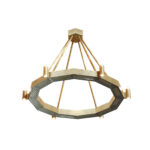 Halo 4.8 – 9.6kW Infrared Heater
The Challenge of Heating Large, Cold Spaces
Many historic and public buildings in the United States face a common dilemma: how to provide effective, comfortable heating in large, often underused spaces. High ceilings, thick walls, and delicate interiors make traditional heating systems expensive, slow, and sometimes harmful to the building itself. Infrared heating offers a modern solution, providing warmth where it’s needed while protecting the structure, furnishings, and artifacts that make these buildings special.
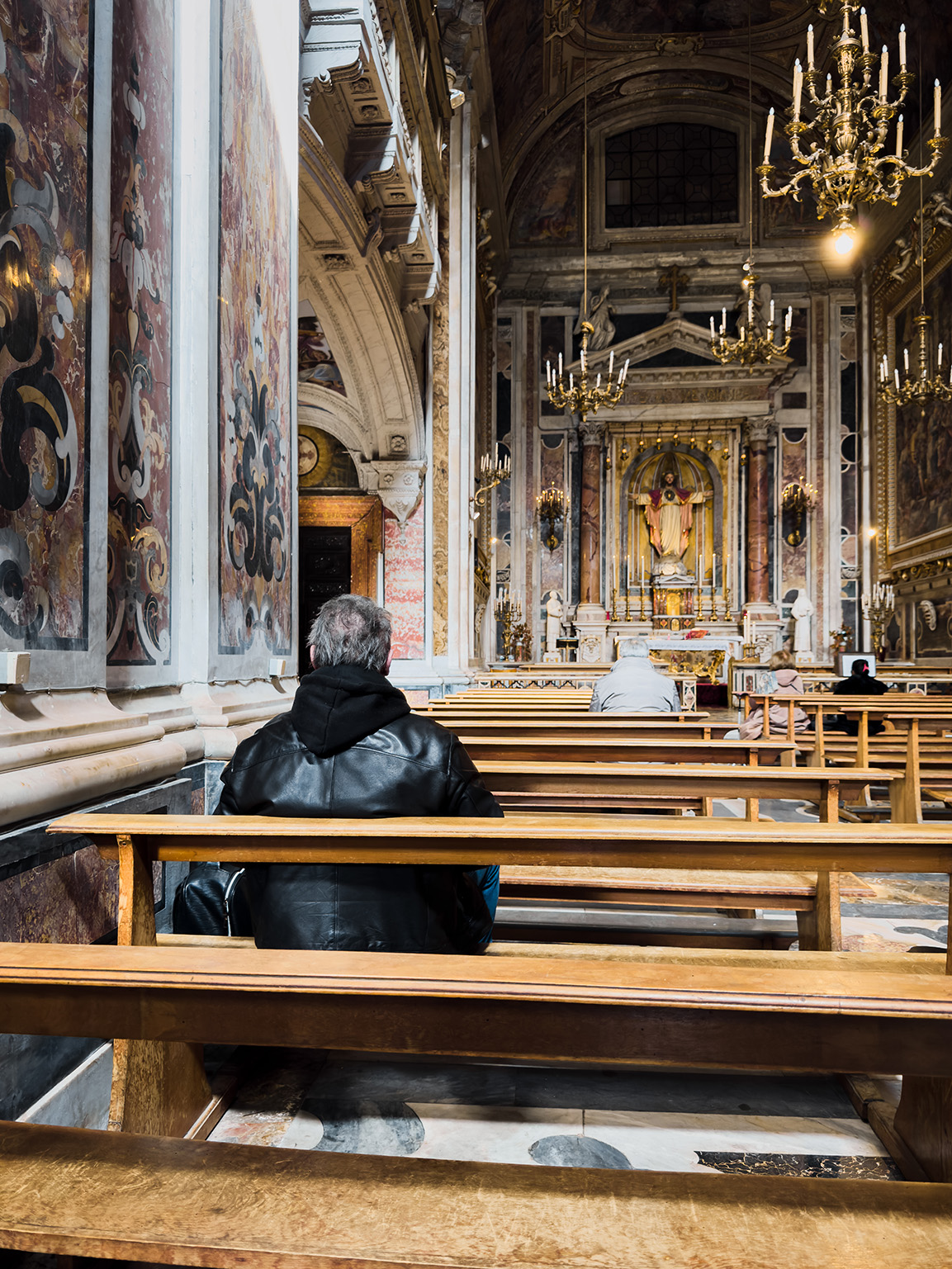
Many churches, theaters, museums, and historic homes are expansive and often only occasionally occupied. High ceilings, sparse furnishings, and minimal insulation make them difficult to heat efficiently. Traditional heating systems that warm the air often struggle to provide comfort without running for long periods.
Convection-based systems, including boilers and heat pumps, require significant energy to heat the air in these large volumes. For spaces only used intermittently, this translates to high energy bills and inefficient operation, essentially paying to heat empty rooms.
Historic buildings often contain sensitive materials such as wood, leather, textiles, and artwork. Heating systems that primarily warm the air can leave surfaces cold and encourage condensation, which can damage these materials. Preservation guidelines frequently impose limitations on any intrusive modifications, adding further complexity to upgrading or replacing existing heating systems.
Infrared heating offers a targeted, efficient alternative. Instead of warming the entire volume of air, radiant systems heat people and surfaces directly. This approach reduces condensation risk, protects delicate materials, and provides rapid warmth in areas that are only intermittently occupied. It is particularly suited to large, historic spaces that need comfort without costly, invasive upgrades.

How Radiant Heat Works (and Why It Is Effective)
Infrared radiant heating works differently from traditional convection-based systems, delivering warmth directly to people and objects rather than heating the entire air volume. This approach creates comfort quickly, reduces energy use, and protects sensitive materials in historic buildings. The following sections explain how radiant heat works and why it’s especially effective for large, intermittently used spaces.
Infrared heaters emit radiant energy that warms surfaces and occupants directly, much like the sun on a cold winter morning. This allows a faster warm-up feeling, without waiting for the air to heat up.
Stone, wood, fabrics, and furnishings absorb infrared energy and then slowly re-radiate it back into the space. This creates a stable, comfortable environment without the cold spots or drafts common in air-based heating systems.
Because infrared heat targets occupied zones rather than the entire building, there is a faster warm up effect. This means you do not have to pre-heat the building for the period of hours or even days required by traditional heating systems.. This makes radiant heating ideal for buildings used only intermittently, avoiding wasted energy.
Independent studies of Herschel infrared systems in large heritage buildings highlight the findings of one UK church that turned the heating on for just 20 minutes before occupancy. This delivered the required comfort levels for the congregation while significantly reducing energy consumption compared to conventional systems.
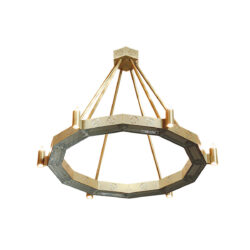 Halo 4.8 – 9.6kW Infrared Heater
Key Benefits of Infrared Heating in Large Spaces
For large historic, civic and public buildings, infrared heating delivers several compelling advantages over traditional forced-air or boiler-based systems:
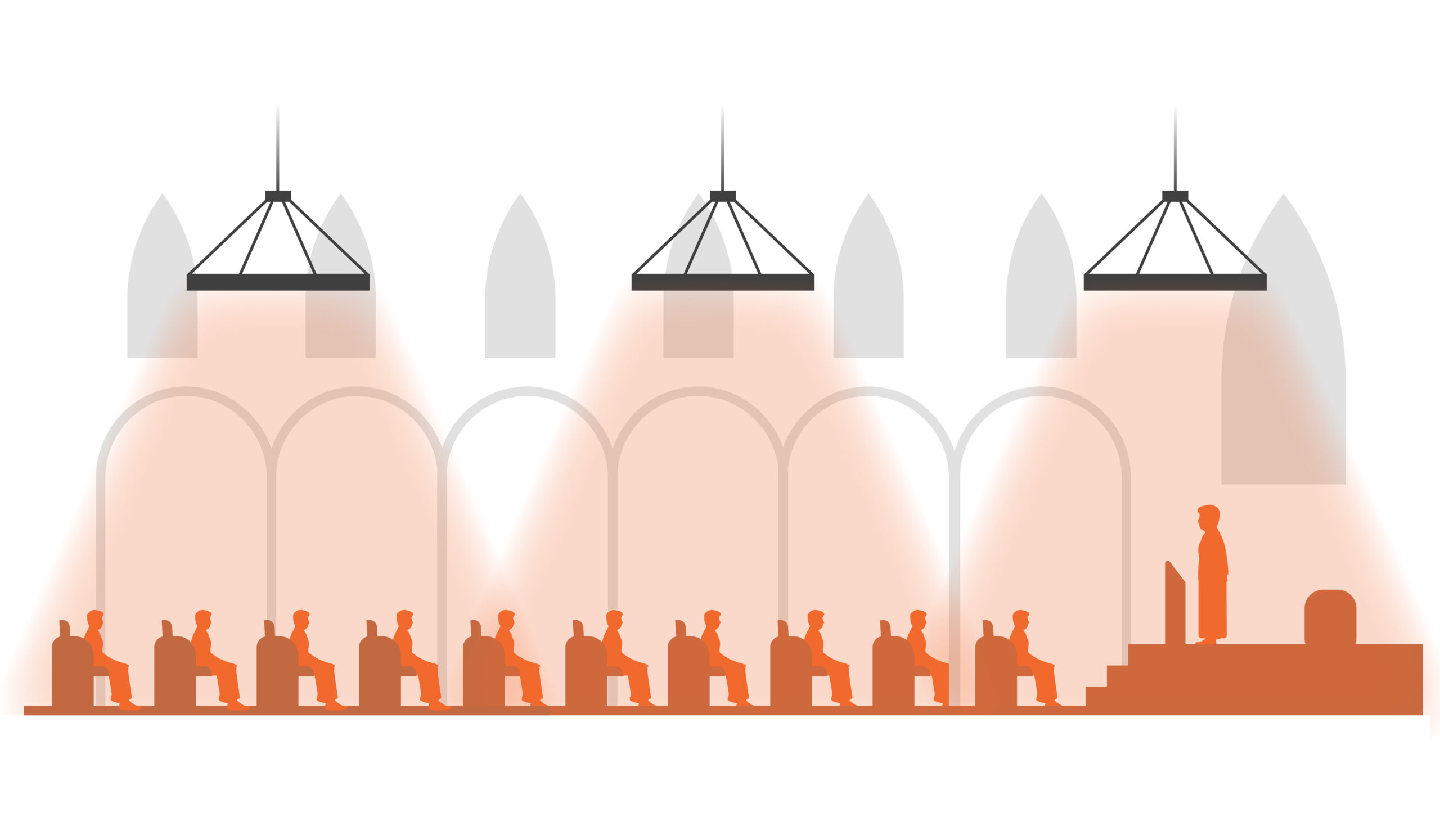
Radiant heaters warm people and objects directly within defined heating zones, instead of wasting energy heating the entire building and its massive volume of air. Heat is delivered only where and when it is needed.
Because infrared heats surfaces and occupants directly, systems can be activated shortly before occupancy. There is no need to keep heating running between services, performances or events, dramatically reducing idle energy use.
Far infrared is a gentle, natural form of heat. By primarily warming surfaces rather than air, it helps reverse the conditions that cause condensation to form on cold walls, stone and furnishings. This creates a more stable interior environment for wood, textiles, artwork and historic finishes, reducing mustiness and helping protect sensitive materials from moisture-related deterioration.
By delivering heat more efficiently and only where needed, infrared systems use significantly less energy than conventional whole building heating. When powered by electric or renewable sources, they also support decarbonization goals and long-term sustainability planning.
Independent winter field trials of Herschel infrared systems in large heritage buildings have demonstrated energy savings of up to 80% compared to conventional gas heating, with operating costs reduced by more than half – while delivering superior occupant comfort.

Why Heat Pumps Fall Short in These Spaces
Heat pumps are often praised for their efficiency in homes and modern buildings, but large, historic spaces present a very different challenge. High ceilings, thick walls, minimal insulation, and intermittent use make it difficult for heat pumps to deliver rapid, effective warmth without high energy use or supplemental systems.
Heat pumps, like other convection-based heating systems still heat the air and rely on only slowly raising ambient temperatures over long periods of time. This implies long running periods in buildings like churches which are also insufficiently occupied to justify the longer term heating. An analogy would be leaving your car in idle all week just to ensure it’s warm for the Sunday drive.
Understanding the limitations of these systems helps building owners make informed decisions about the best heating solution for their spaces.

Infrared Heating: a Fresh and Innovative Approach
Infrared heating is a simple, elegant, and highly effective way to heat buildings, and in many ways, it mirrors the way people have historically warmed themselves for centuries, long before central heating systems existed. By delivering radiant rather than convective heat, infrared systems warm people and objects directly, rather than heating the entire volume of air.
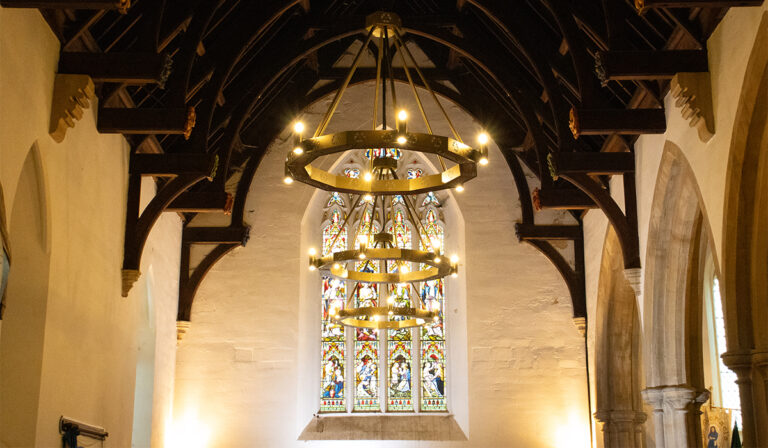
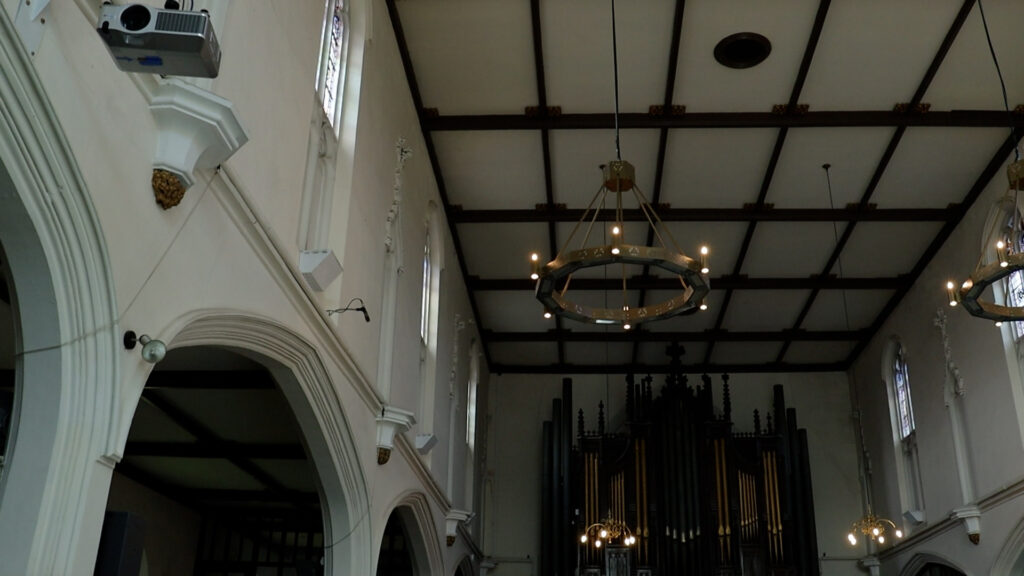
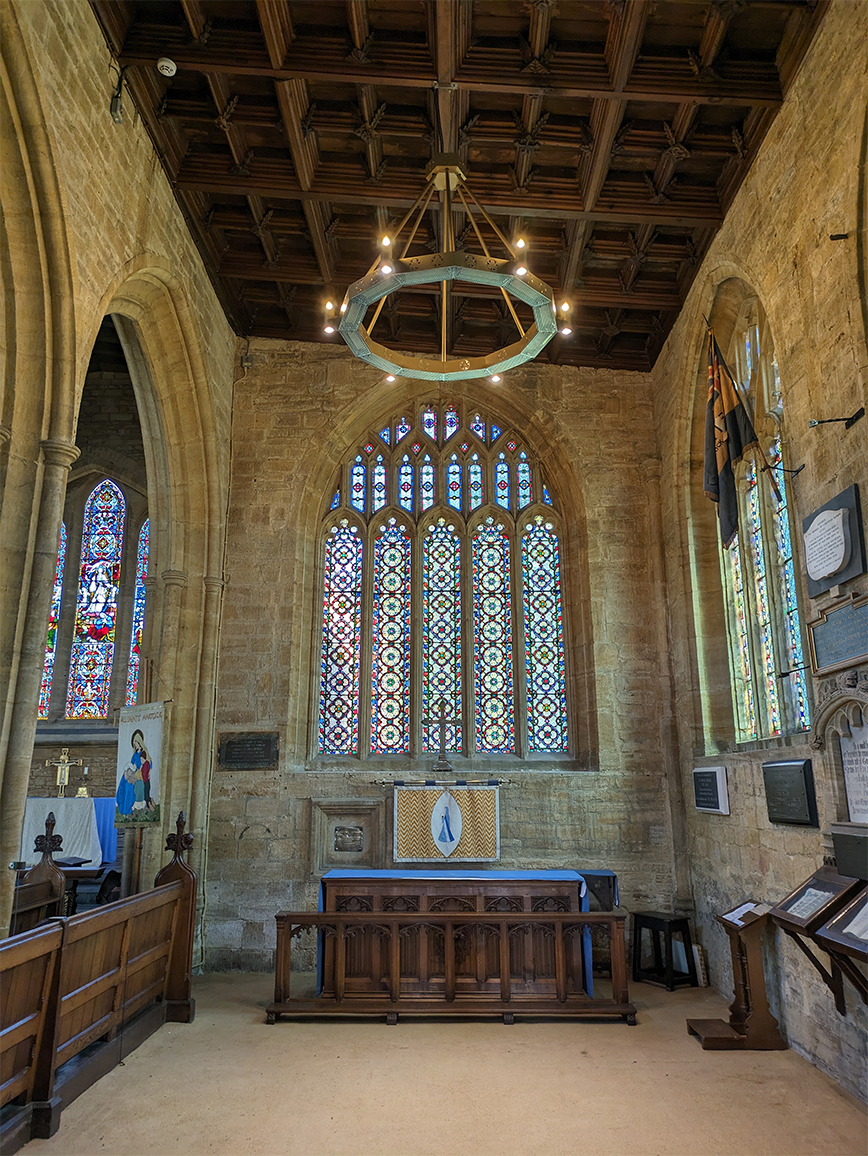
Herschel Halo heaters are designed to blend seamlessly with the décor of historic and heritage buildings. They operate silently, preserving the quiet ambiance of churches, museums, theaters, and civic spaces. Installed unobtrusively, many units are so visually discreet that occupants often do not even realize they are heaters until they feel the warmth.
In addition to providing effective, human-centered heat, Halo heaters can be combined with existing lighting fixtures, for example, integrating heaters into chandeliers, reducing the need for additional structural installation or intrusive wiring. This approach allows historic buildings to be heated efficiently without compromising aesthetics, ambience, or the integrity of delicate interiors.